Recruitment agencies serve two audiences at once. Applicants want to find a job they qualify for and apply without hassle. Employers want reliable workers, fast. A good agency website has to work well for both, and most don't.
Many agencies still collect applications through Facebook comments, email attachments and walk-ins. CVs get lost, the same questions are answered a hundred times a day and good applicants slip through the cracks.
I'm Aldrian, an independent web developer in the Philippines. I build websites and web systems for manpower agencies, staffing companies, recruitment firms and overseas placement agencies.
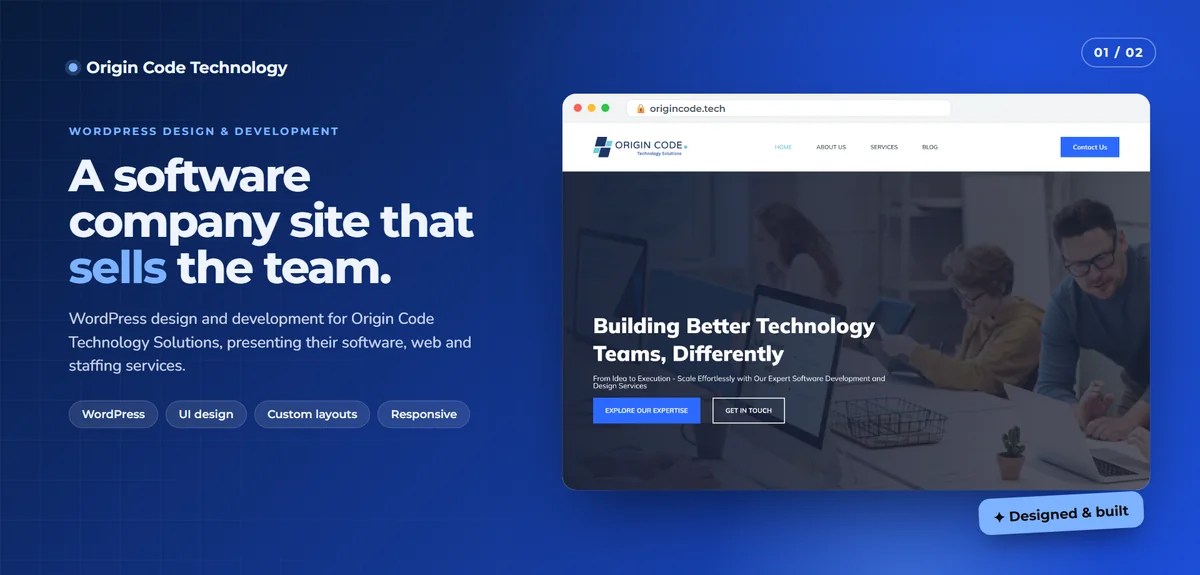
I've also built a website for a software company that offers developer staffing as one of its services, so I understand how important it is to present both talent and services clearly.
What applicants need
A job list they can search
Open positions with filters by location, job type, industry and, for overseas agencies, destination country. Each listing with the role, qualifications, requirements, salary range if you choose to show it and how to apply.
A simple online application
A mobile-friendly form where applicants enter their details and upload their CV, IDs and certificates. Most applicants apply from their phones, so the form has to be short, clear and forgiving.
Requirements explained clearly
Documents needed, medical requirements, training and the steps of the process. For overseas recruitment, clear and accurate information is essential and protects applicants from confusion.
Legitimacy
Applicants are rightly careful about recruitment scams. Your license details, accreditations, office address and real photos of your team and office help them trust you. I'll make sure these are easy to find.
What employers need
Your services
Contractual staffing, direct hire, project-based teams, executive search, overseas deployment. Clear pages explaining how each works.
Industries and roles you cover
Construction, hospitality, healthcare, manufacturing, IT, retail, domestic work. Employers want to know you have experience in their field.
A manpower request form
Number of workers, roles, qualifications, location, start date and contract length, sent directly to your business development team.
Applicant tracking that replaces spreadsheets
Behind the website, I can build a simple applicant tracking system for your team:
- Every application stored in one searchable place
- Filters by position, status, location and skills
- Status stages like screening, interview, for requirements, deployed
- Notes and interview schedules for each applicant
- Document checklists so nothing is missing before deployment
- Exports for reports
More on my custom CRM and portal and admin dashboard pages.
Automatic updates for applicants
Applicants want to know where they stand. Automatic emails or SMS can confirm their application, invite them to interviews, remind them about missing requirements and update them when their status changes. That means fewer follow-up calls for your team. See automated notifications.
Employer and applicant portals
For bigger agencies, portals can let:
- Employers view shortlisted candidates, request more workers and download reports
- Applicants update their profile, upload documents and check their status
These run with secure logins and proper permissions. More on client portals.
Privacy and data protection
Recruitment involves a lot of personal data: IDs, addresses, medical results and work histories. The Data Privacy Act applies, and applicants trust you with sensitive information. I build systems with:
- HTTPS everywhere
- Secure document storage with restricted access
- Role-based staff logins
- Clear privacy notices and consent on application forms
- Backups and access logs
I handle the technical safeguards and recommend your data protection officer reviews your policies.
Common mistakes on agency websites
Jobs only posted on Facebook. They disappear in the feed and can't be searched. A job board on your site keeps every opening visible and organized.
CVs by email. Attachments get buried in inboxes. An application form stores them neatly with the applicant's details.
Expired jobs still listed. Applicants get frustrated applying for roles that are already filled. Simple open and closed toggles fix that.
No license details. Applicants check for legitimacy. Make your license and accreditation easy to see.
Forms that don't work on phones. Most applicants use phones. If they can't upload a CV from their phone, they won't apply.
Being found by applicants and employers
People search for "hiring near me," "factory worker job Laguna" or "staffing agency for hotels Philippines." To show up:
- Each job listing has its own page with structured job data, so it can appear in job search results
- Industry and service pages for employers
- Fast, mobile-friendly pages
- A complete Google Business Profile
Protecting applicants from scams
Fake recruiters often copy real agency names and logos. Your website can help applicants protect themselves: state clearly which channels you use, warn against paying fees to individuals, list your official contact numbers and email addresses, and explain how to verify a job offer with you. It protects your reputation and shows applicants that you care about their safety.
How we'd work
- We talk about your agency, your process and where things get stuck.
- We plan the website and any tracking or portal features.
- You get a quote with timeline and fixed price.
- I build in steps and share preview links.
- We test with your recruiters and a few applicants.
- We launch, and I train your team.
Let's organize your recruitment
Tell me about your agency. I'll reply with a plan and a fixed quote.